Grass vs. Prairie: Calculate Your Carbon and Cost Savings
Piedmont Prairies reduce maintenance costs, lower water use, and shrink carbon emissions while creating healthier, more resilient landscapes.
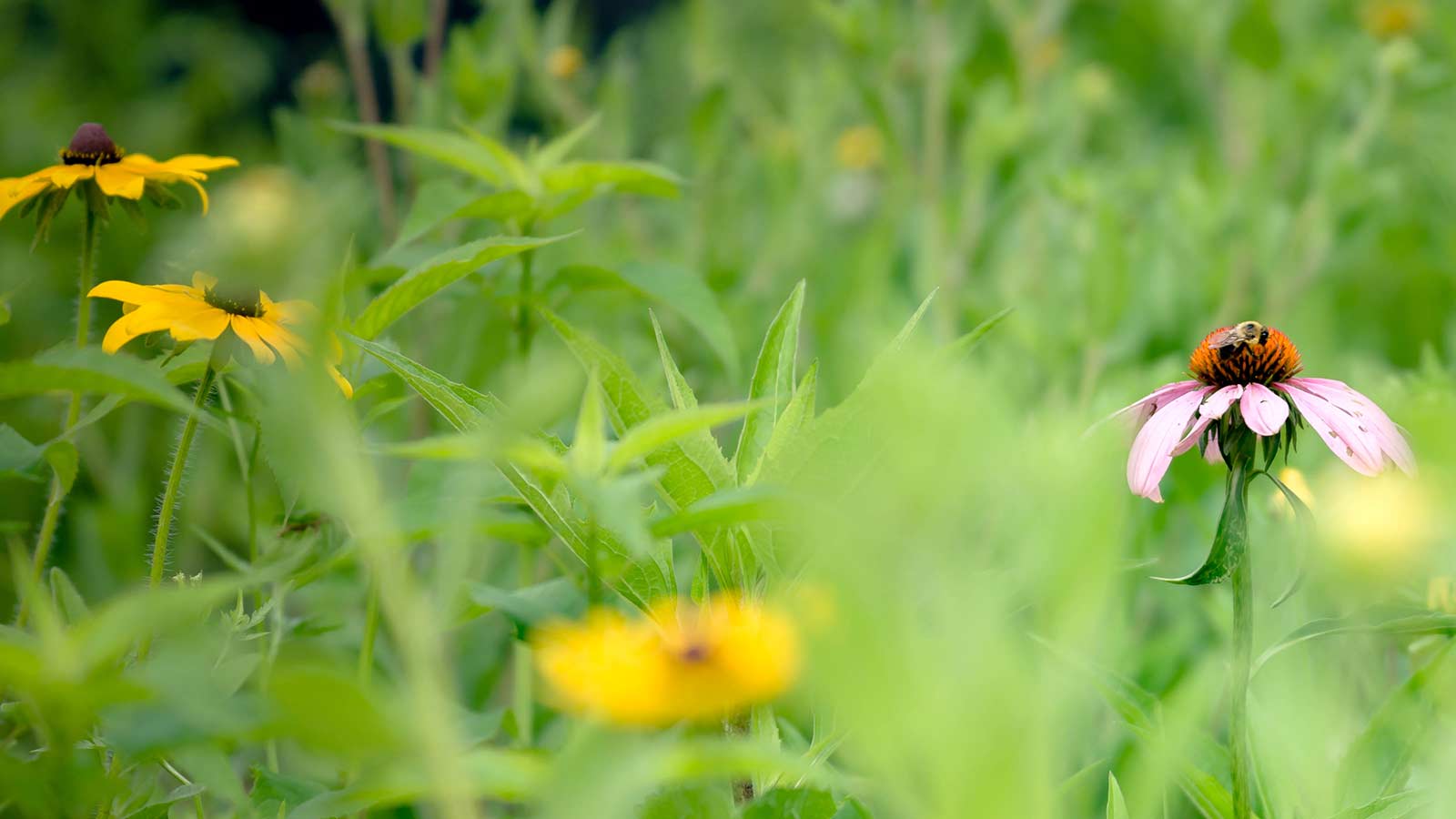
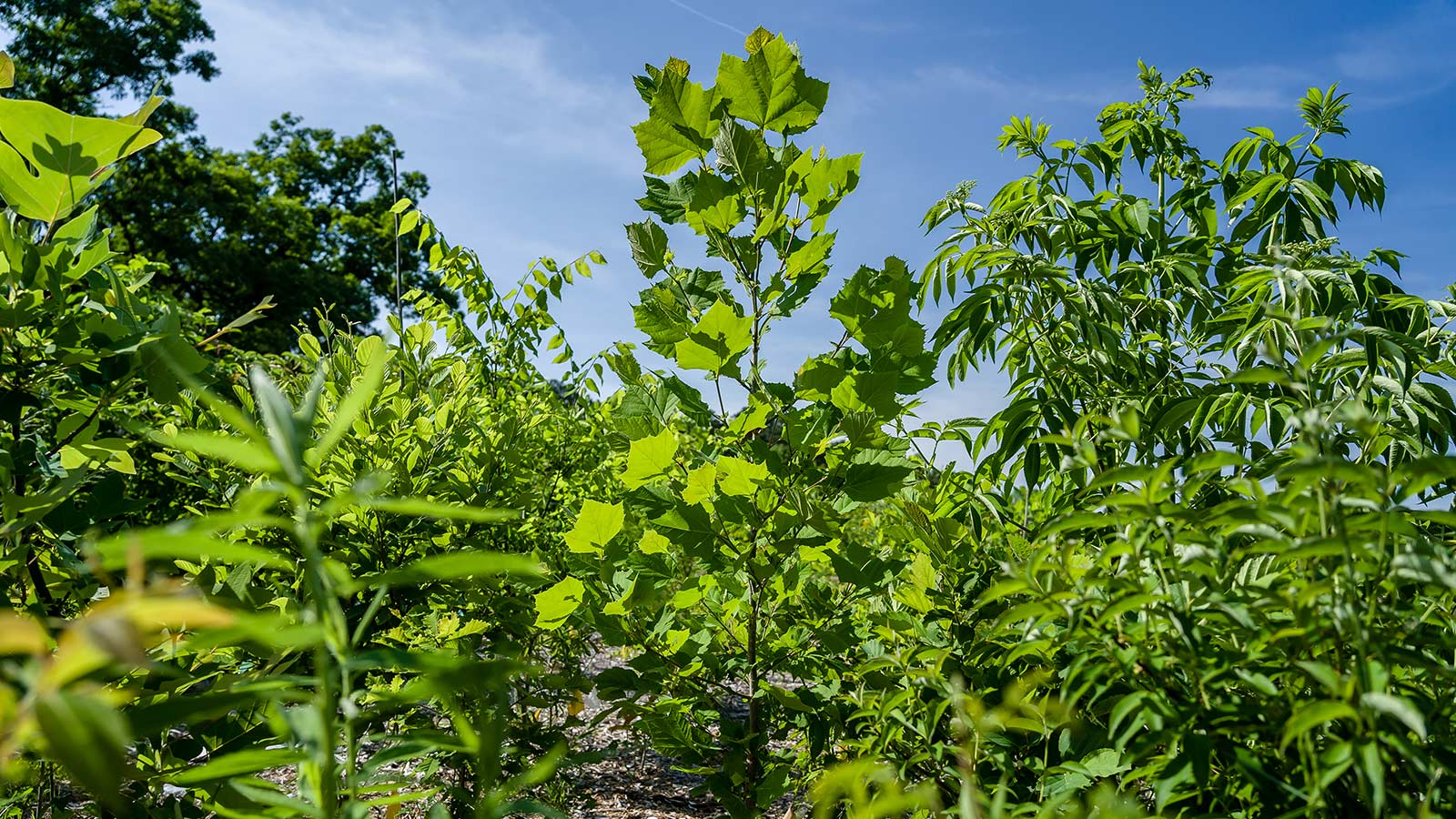
Most grass landscapes look natural, but they're actually one of the most artificial systems we maintain. Lawns require constant mowing, irrigation, and chemical inputs just to stay green. A Piedmont Prairie works the other way around. It's a native meadow ecosystem that takes care of itself once established and supports an outrageous diversity of life.
But the benefits go far beyond biodiversity.
Use this Lawn to Piedmont Prairie Conversion Calculator to get a realistic breakdown of carbon, water, and money savings based on your own lawn or green space.
What if your landscape could also lower operating costs, reduce resource use, and deliver measurable environmental impact — whether it's a front yard, a community common area, or a corporate campus?
That's exactly what happens when turf is replaced with prairie.

Beyond Biodiversity
Prairies don't just support more life — they actively reduce costs, cut resource use, and improve the resilience of the landscape over the long term.
Reduce CO₂ Emissions
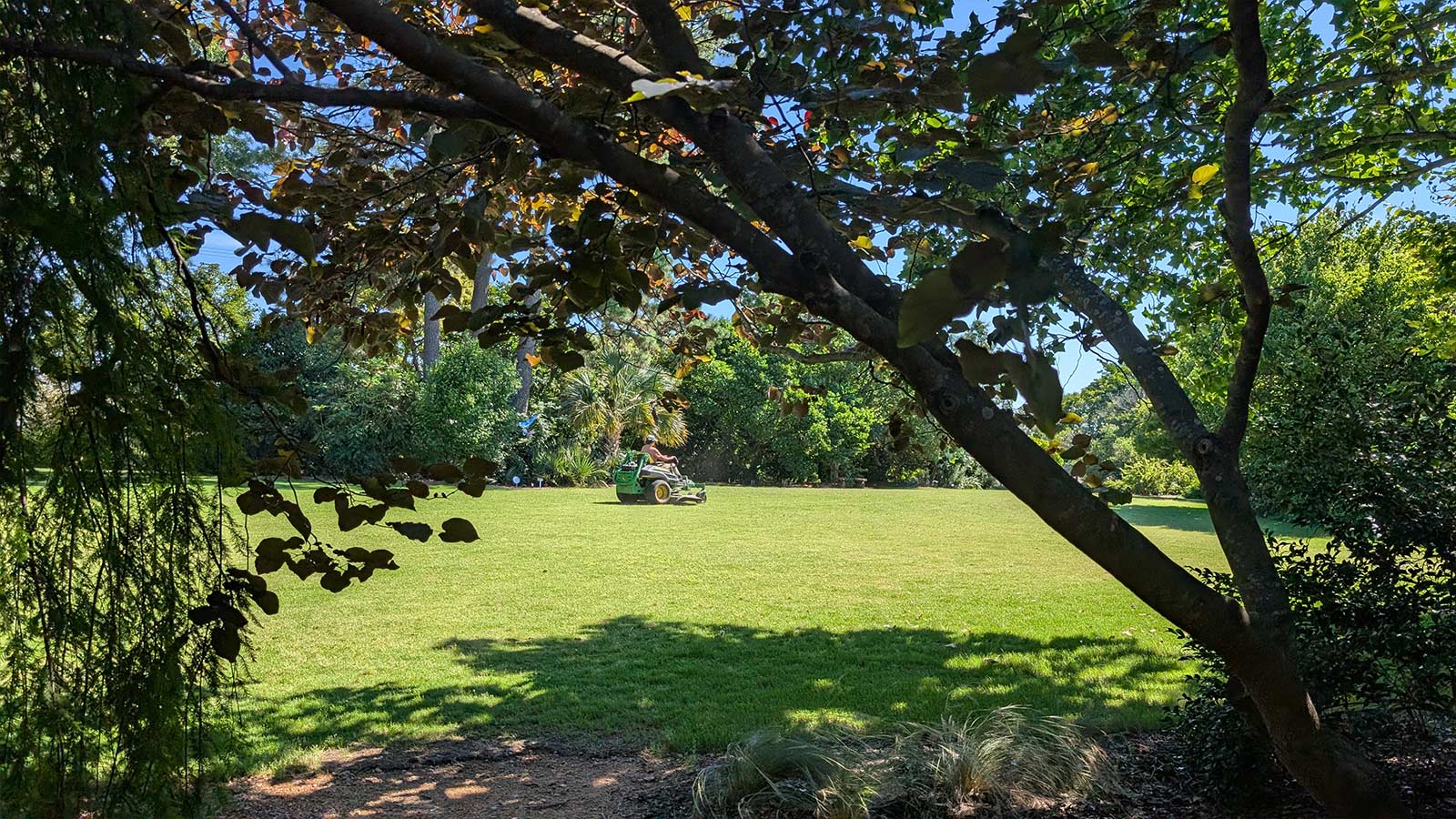
Gas mowers emit roughly 4 times more pollution per hour than cars. And a traditional lawn needs to be mowed 25 to 40 times per year. An established Piedmont Prairie needs just one cut — which means eliminating dozens of engine-hours annually. That reduction is real, and it can be quantified.
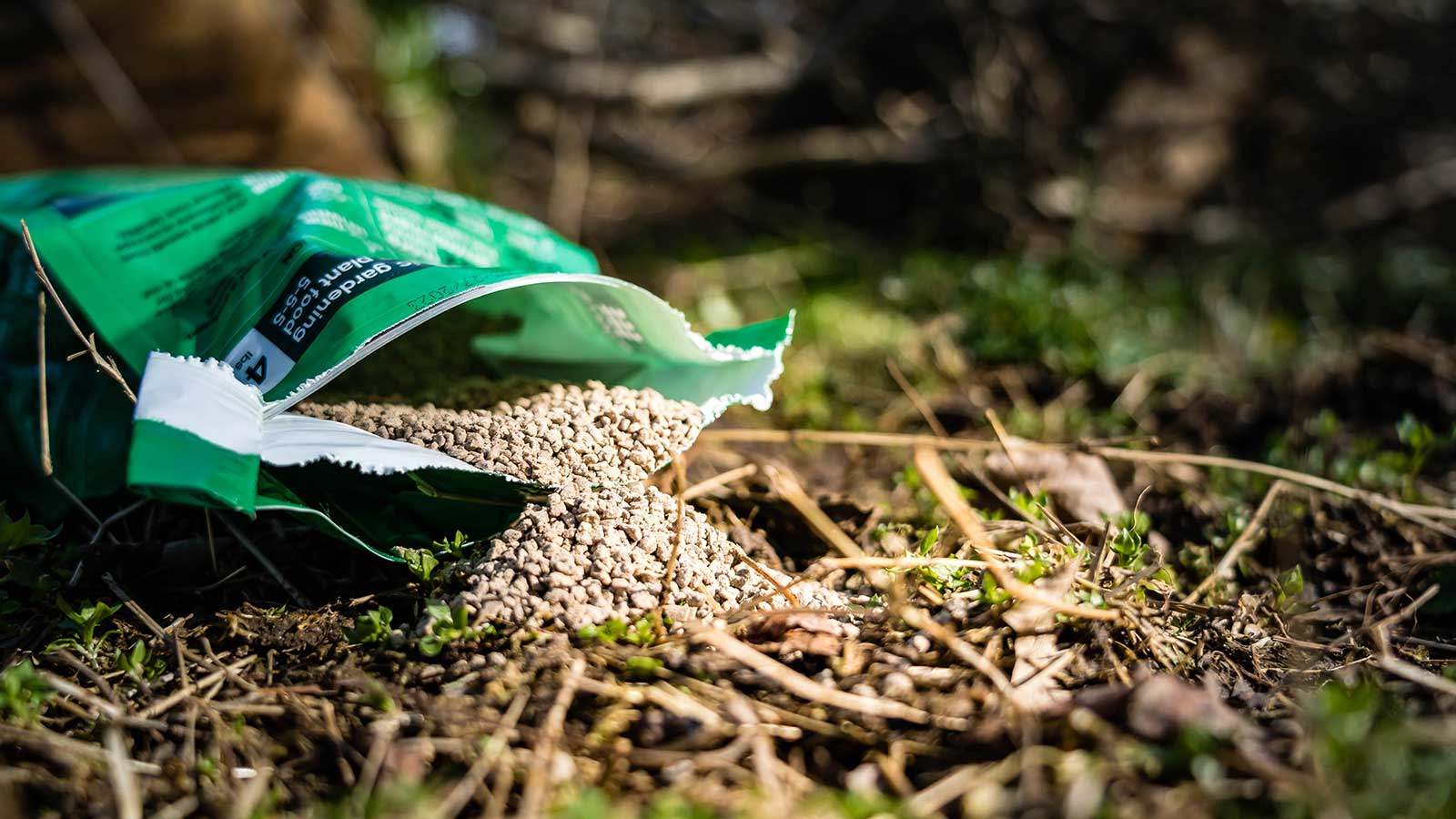
Prairies also don't need chemical fertilizers, which require significant industrial energy to manufacture and distribute. Eliminating that input removes another source of embedded emissions from your landscape.
Beyond Reducing CO₂
Piedmont Prairie plants grow much deeper roots than turfgrass and — once established — grow to maturity instead of being cut repeatedly. That means they capture and sequester more carbon than lawns do. Your net CO₂ reduction is actually higher than what the calculator shows.

Reduce Water Costs
Piedmont Prairies don't need irrigation. They adapt to rainfall. When you eliminate irrigation, you cut costs in multiple ways: the direct cost of water used, the energy cost of running the system, and potentially the upfront cost of irrigation infrastructure if you haven't installed it yet.
Beyond Reducing Water Use
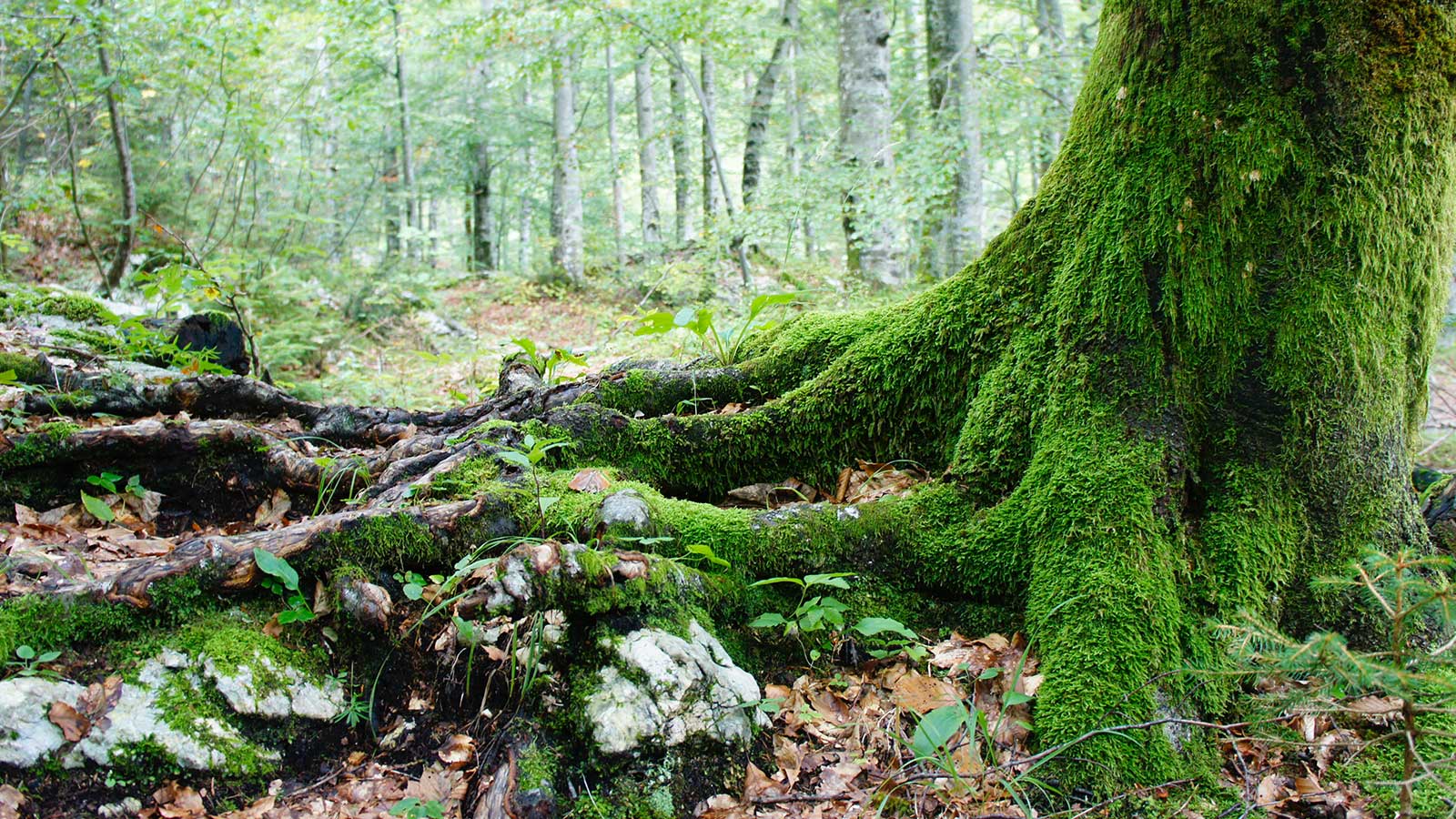
Meadows and prairies build deeper, more porous soil than lawns — which are often laid over compacted subsoil. Water infiltrates more deeply, feeding roots and staying in place rather than washing onto roads and into stormwater systems. This reduces flooding risk, mitigates drought, and helps restore local aquifers.

Reduce Maintenance Costs
Once established, prairies and meadows need no fertilizers, herbicides, or pesticides — and little labor beyond a single annual cut and some edge weeding if desired. If you pay for mowing, blowing, and pest management services, those costs largely disappear.
Beyond the Cost Savings
By eliminating synthetic fertilizers and pesticides, you also stop degrading soil quality from their salt content, and stop burdening rainwater runoff with pollutants before it reaches storm drains and waterways.

How Landscape Decisions Show Up in Sustainability Resporting
As sustainability reporting becomes more widespread, landscape decisions are beginning to matter at the corporate level. Large companies subject to CSRD, as well as organizations following frameworks such as ISSB or TCFD, are increasingly expected to understand emissions and share emissions across their operations and value chains, including significant Scope 3 categories. That pressure can extend to customers, vendors, property managers, campuses, and service providers.
Piedmont Prairies Deliver Measurable Benefits
Replacing high-maintenance turfgrass with native prairie landscapes can reduce recurring inputs such as mowing, irrigation, fertilizer, and pesticides while supporting broader climate, biodiversity, and resilience goals. For organizations tracking emissions or sustainability performance, these landscape choices can become part of a measurable, credible reduction strategy.
Next Steps
Try the calculator above to see how much you could save if your existing or planned landscape shifts from predominantly turfgrass to Piedmont Prairie. The numbers don't include the harder-to-measure benefits — carbon sequestration by deep prairie roots, reduced stormwater load, restored soil health, improved wildlife habitat — but those are just as real.
Ready to make the switch? Contact us to help you make plan and learn what a Piedmont Prairie could look like on your property.